EU Accession and Drug Policy: iSoS Supports Regional Dialogue in Prague
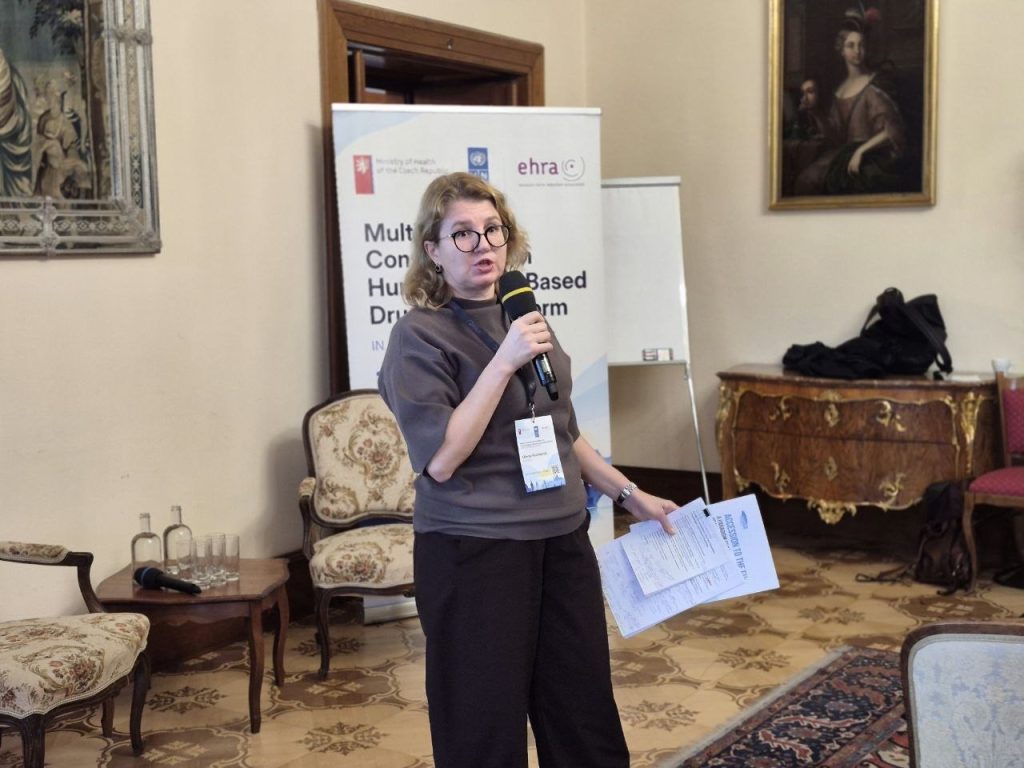
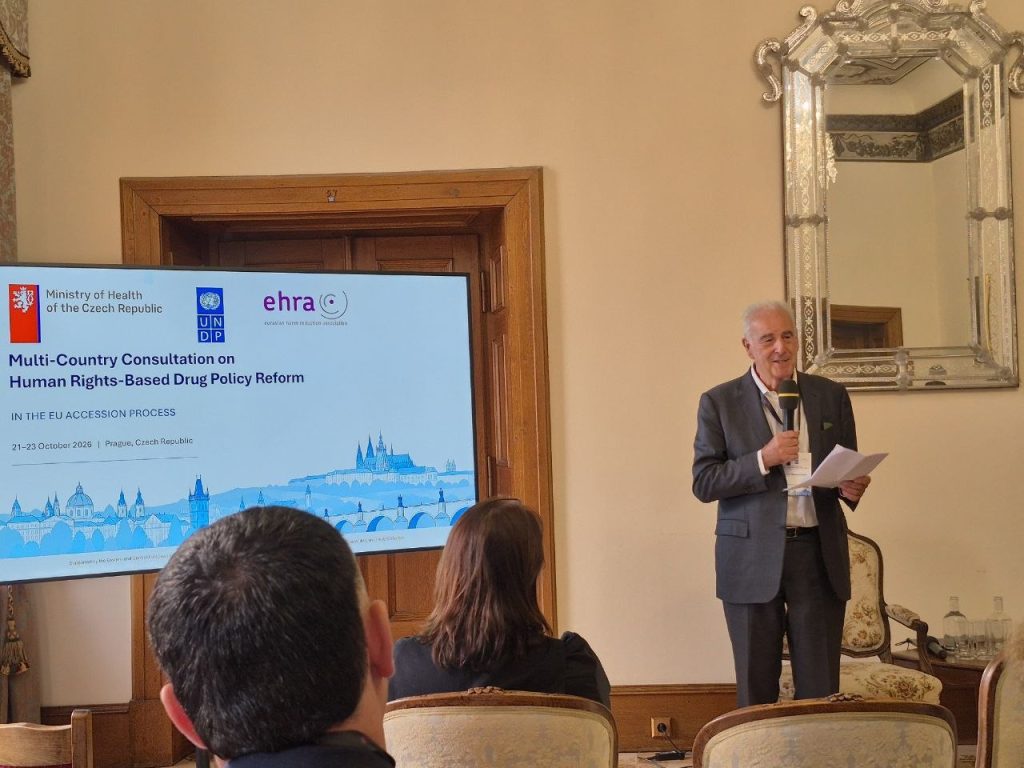
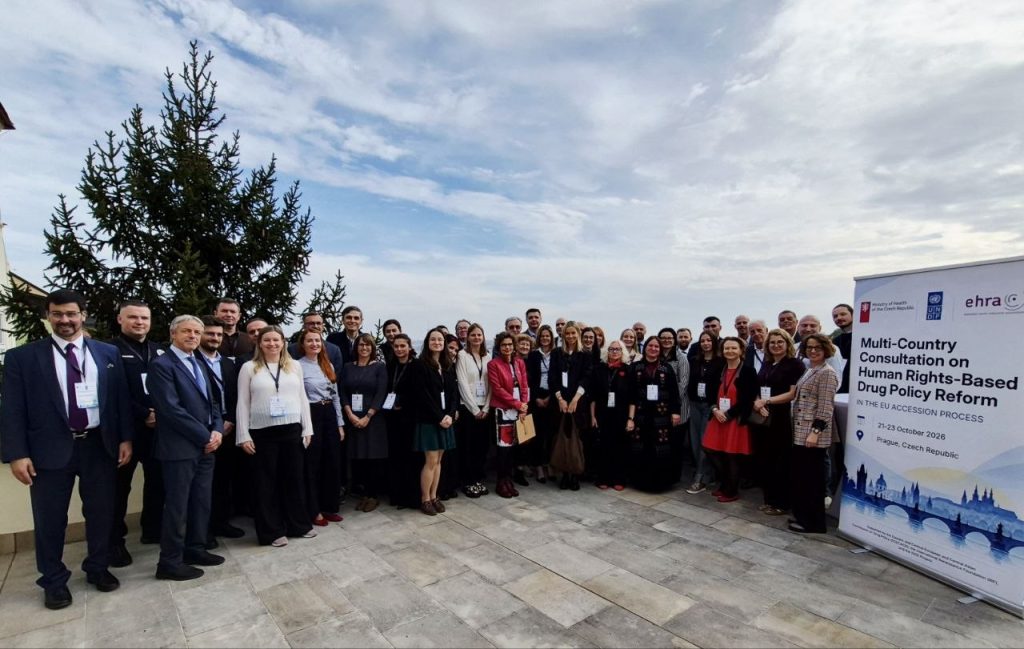
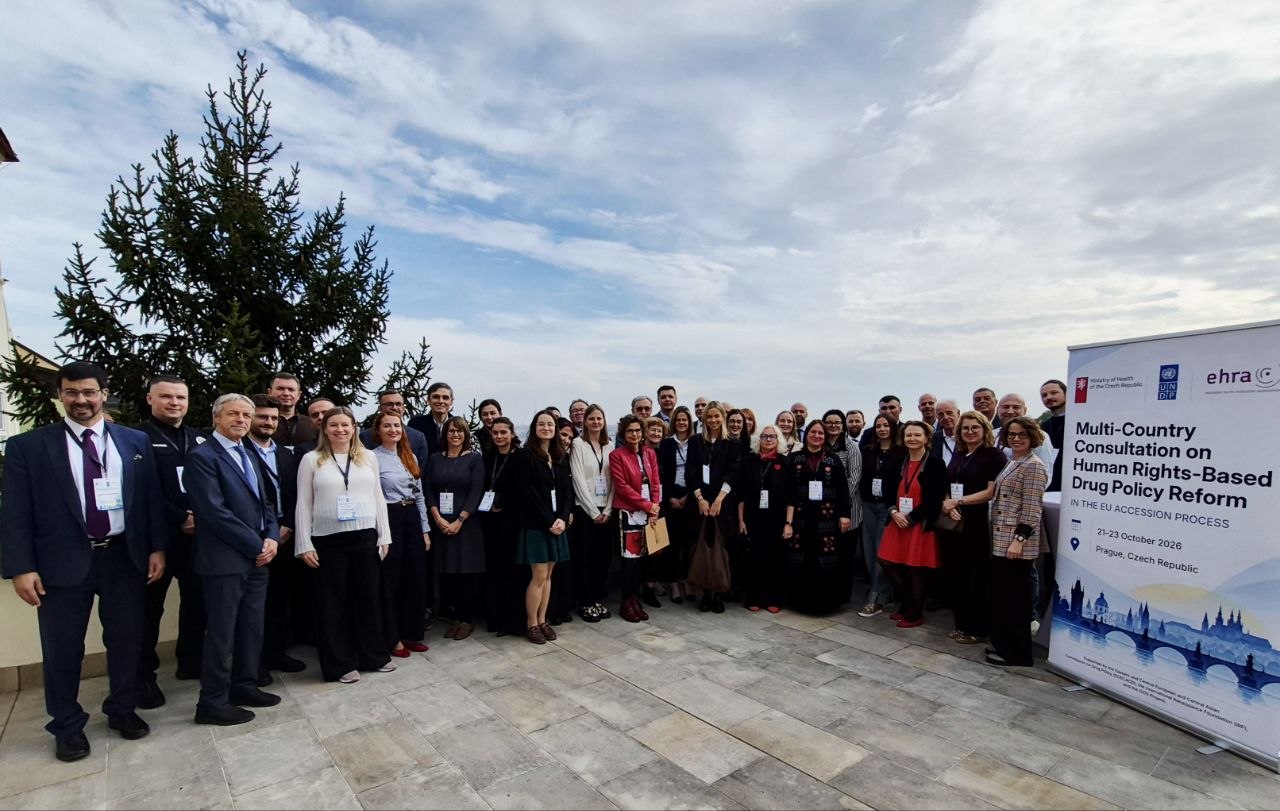
On 21–23 October 2026, Prague hosted the Multi-Country Consultation on Human Rights-Based Drug Policy Reform in the EU Accession Process. The meeting brought together government representatives, civil society organisations, community networks and international partners, including iSoS Project partners, from Eastern Europe and the Western Balkans.
Participants discussed EU drug policy requirements, candidate countries’ experiences and next steps for reform. Human rights, public health, community participation and equitable access to evidence-based services were central to the discussions. ECECACD Commissioners Michel Kazatchkine and Pavel Bém shared experience from EU countries and contributed to the development of national roadmaps.
“EU integration is not only about adopting legislation, it is also about embracing the values on which the European Union is built. In the field of drug policy, this means prioritizing human rights, public health, social inclusion, and access to evidence-based services. Regional dialogue and cooperation are essential to support countries on this path,” said Sergii Filippovych, iSoS Project Director at the Alliance for Public Health.
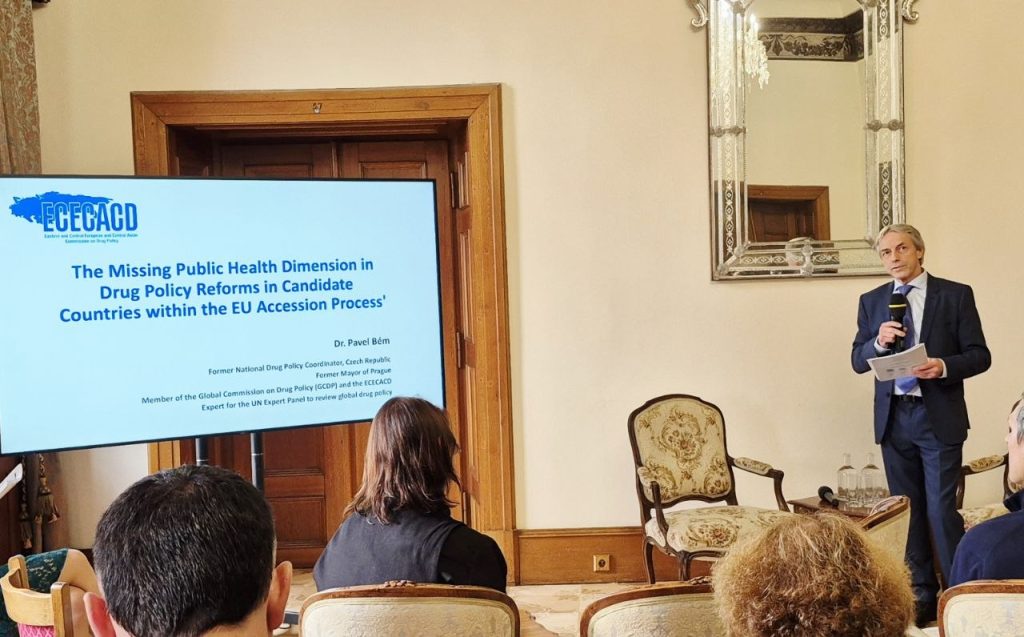
At the meeting, the Eastern and Central European and Central Asian Commission on Drug Policy (ECECACD) presented its report “Accession to the EU: A paradigm change towards health-based drug policy”. It examines key EU drug policy requirements and approaches from a health and human rights perspective and offers recommendations for candidate countries and EU institutions.
The report can serve as a practical reference for reforms and accession negotiations. Its central finding is that negotiations need to give greater attention to public health and human rights, rather than focusing on a narrow set of technical measures.
“EU accession is a unique opportunity for candidate countries to reform national drug policies according to EU requirements and standards. Our assessment demonstrates that we are missing this opportunity because negotiations focus on security issues and narrow questions of monitoring, data collection and exchange. I am sure that both sides of the negotiations – governments and EU institutions – can do more to advance drug policies in these countries,” emphasised Pavel Bém, ECECACD Commissioner, former Mayor of Prague.
The meeting was organised by the Addiction Policy Department of the Czech Ministry of Health, the United Nations Development Programme (UNDP) and the Eurasian Harm Reduction Association (EHRA), with support from the Eastern and Central European and Central Asian Commission on Drug Policy (ECECACD), the International Renaissance Foundation and the iSoS Project.