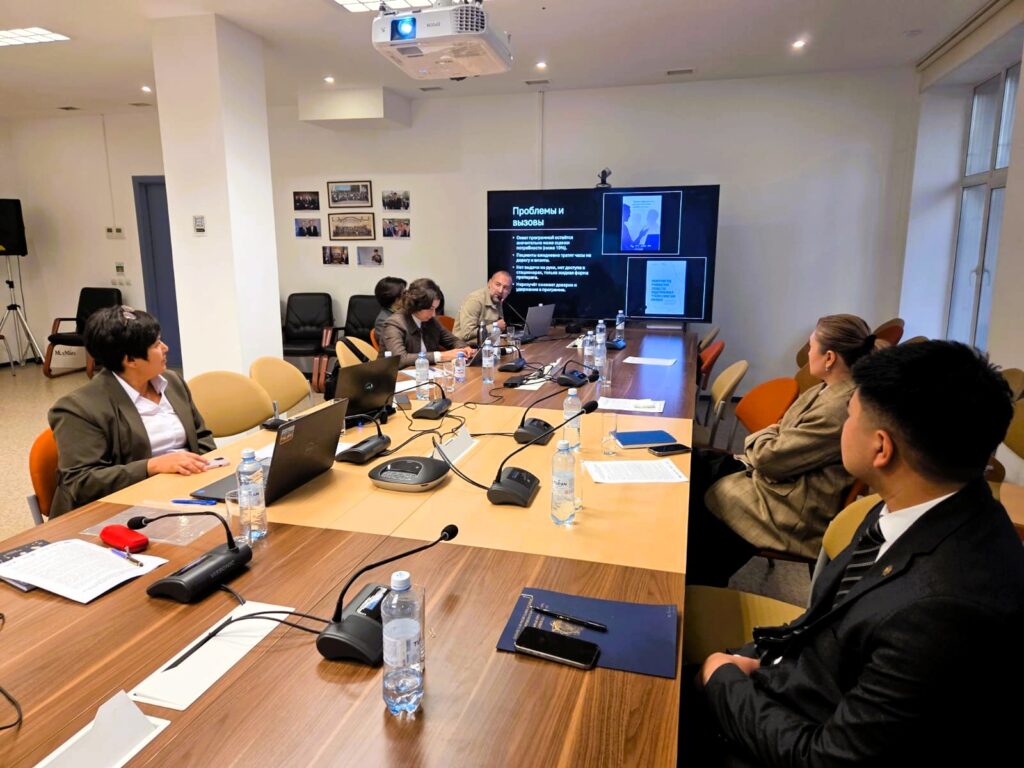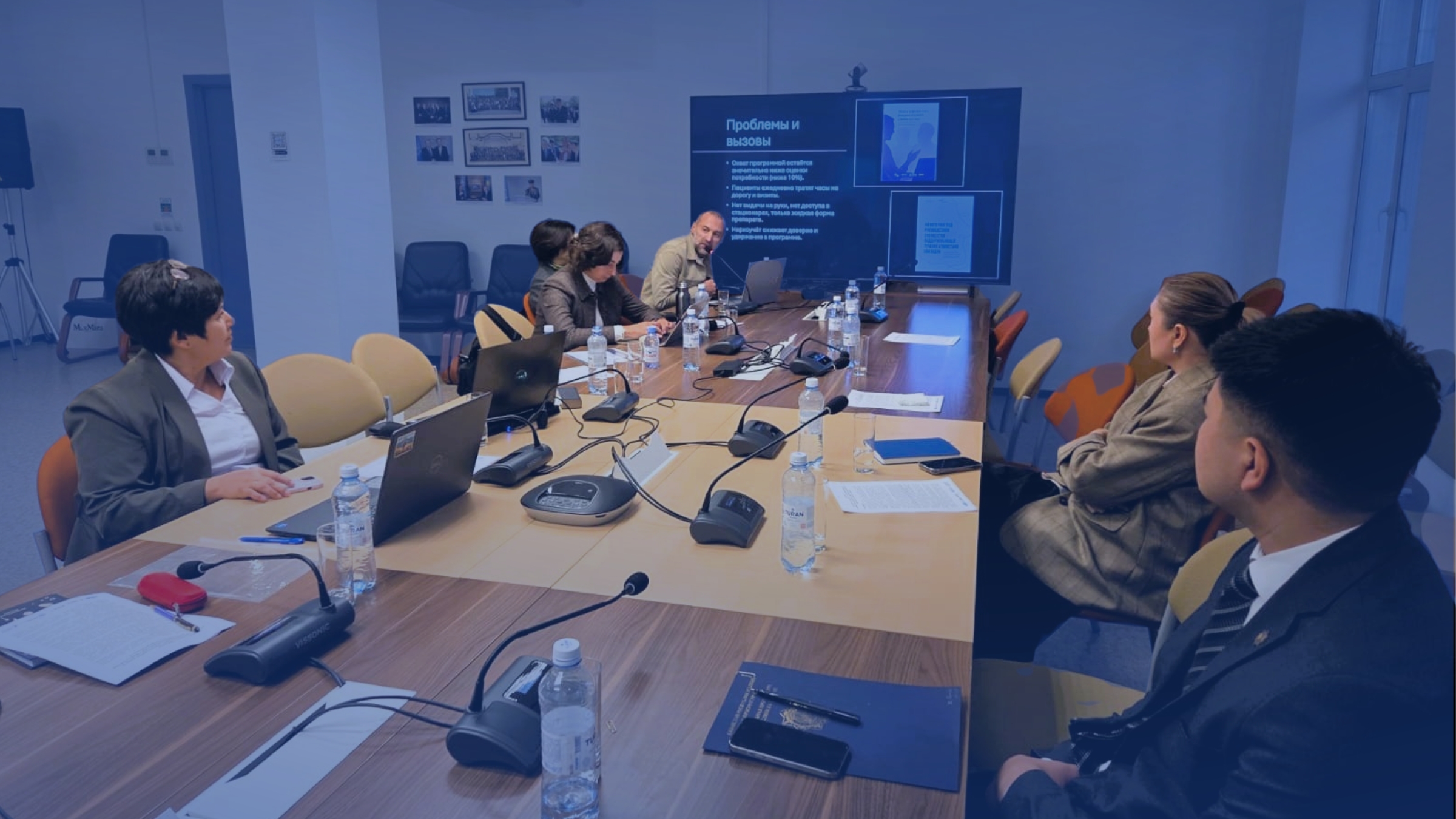
On October 14, a multilateral dialogue dedicated to the development of opioid agonist therapy (OAT) programs in Kazakhstan took place in Astana.
The initiative brought together representatives of government institutions, international organizations, and civil society to discuss key steps toward strengthening the system of care for people living with opioid dependence.
The meeting gathered representatives of the Republican Scientific and Practical Center for Mental Health, law enforcement bodies, the General Prosecutor’s Office, the Ministry of Foreign Affairs, the National Security Committee, the World Health Organization (WHO), the United Nations Office on Drugs and Crime (UNODC), the Global Fund, as well as experts and civil society representatives.
The discussion took place in a constructive and collaborative atmosphere.
Participants focused on ensuring the uninterrupted and sustainable procurement of OAT medications, as well as on developing flexible, safe, and cost-effective models of service delivery that can be adapted to the real needs of patients.
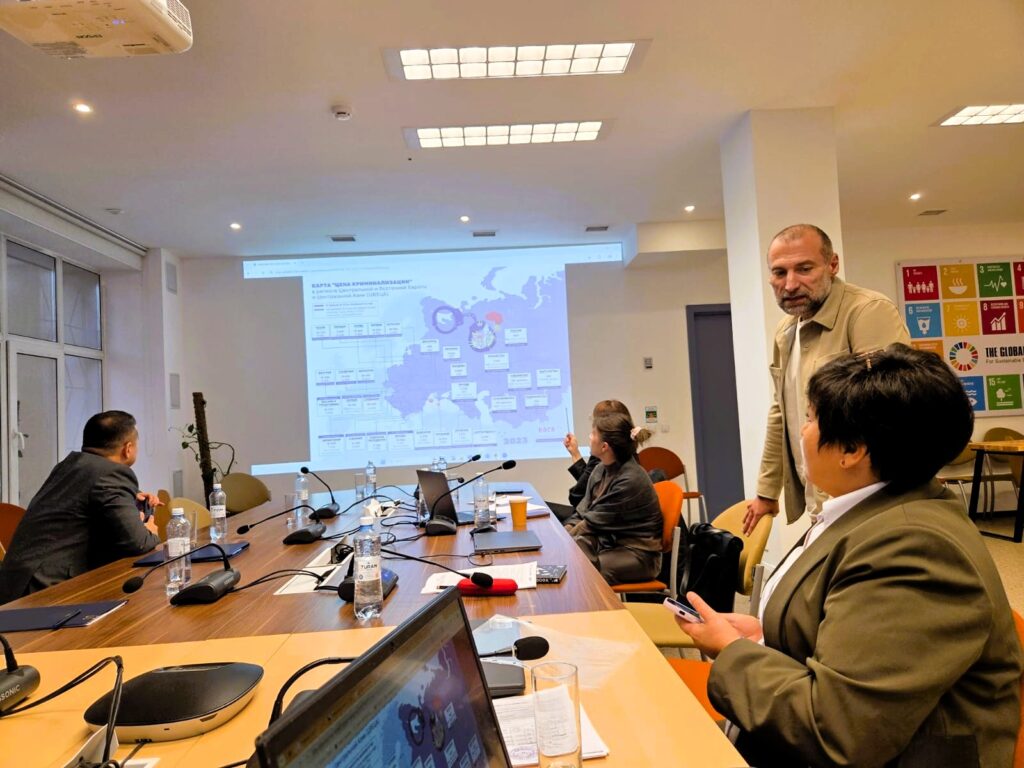
The Eurasian Harm Reduction Association (EHRA) presented international experience in implementing flexible OAT models across countries of the region. The presentation also featured data from the “Price of Criminalization Map” (2023), demonstrating that sustainable OAT programs not only improve quality of life but also provide significant economic benefits compared to the costs of criminal prosecution.
Special attention was paid to the new WHO recommendations (2025), which recognize opioid agonist therapy as an essential health service.
Updated information on the current state and development of OAT in Kazakhstan, including the work of the Republican Scientific and Practical Center for Mental Health, was also presented.
The event was organized within the framework of the regional iSoS project, implemented by a consortium of organizations led by the Alliance for Public Health with financial support from the Global Fund.