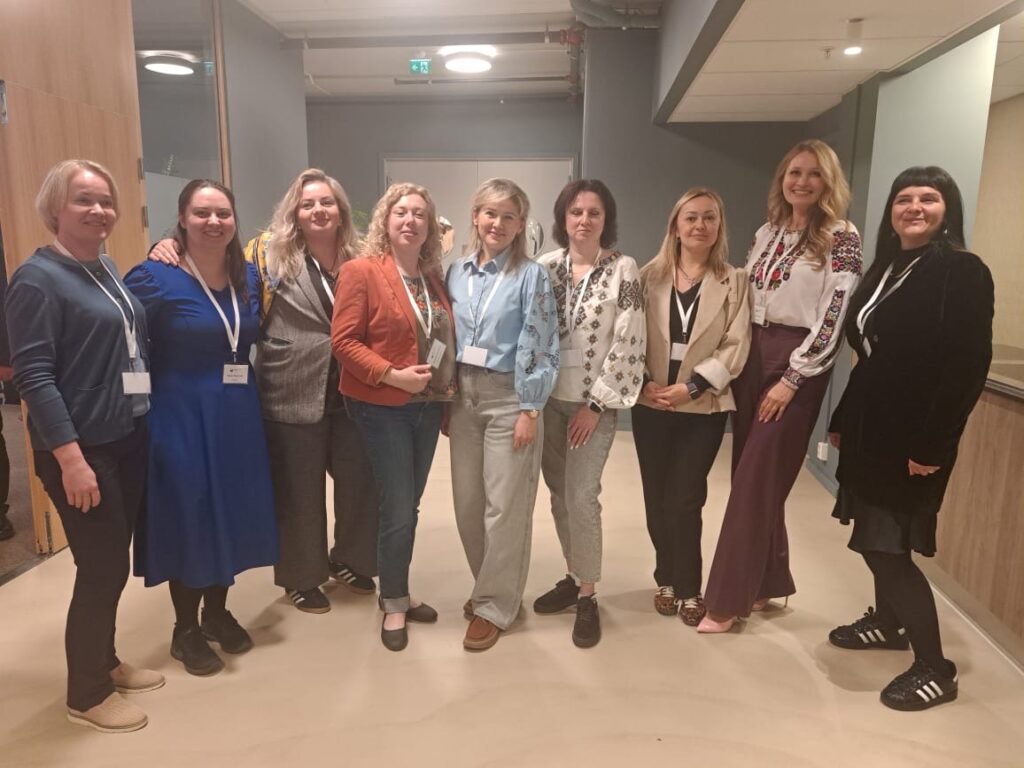
On May 19–20, Oslo (Norway) hosted a two-day international workshop dedicated to strengthening peer-to-peer approaches in the tuberculosis response. The event brought together around 60 participants from 14 countries across the WHO European Region, including representatives of civil society organisations, healthcare systems, national tuberculosis programmes, and international experts.
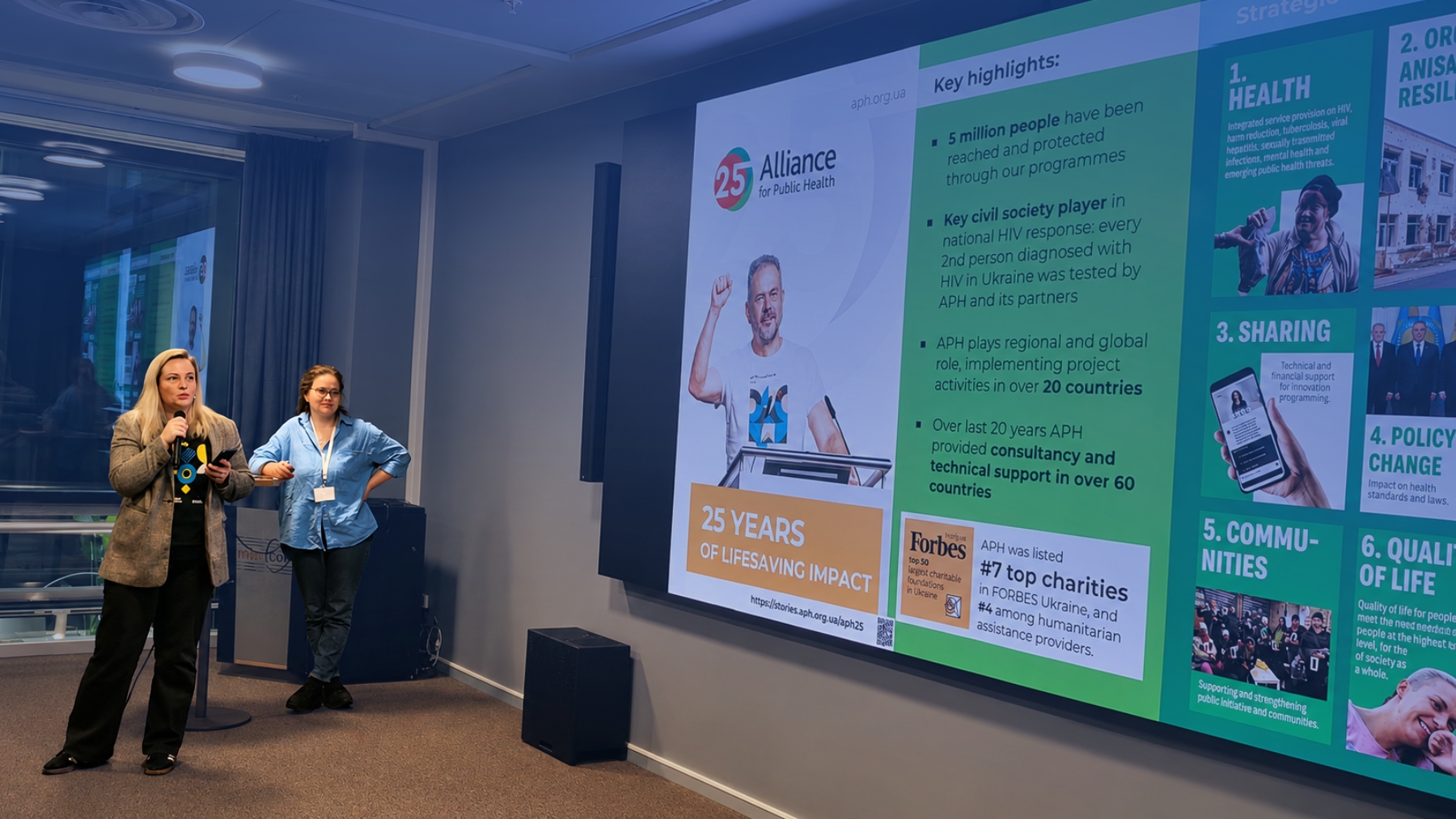
During the second day of the workshop, Ukrainian experts Mariia Malakhova, Inna Gavrilova, and Yevheniia Heliukh presented the experience of the Alliance for Public Health in developing cross-border support systems, implementing digital innovations, and introducing sustainable financing approaches for tuberculosis programmes in the context of the ongoing war in Ukraine.
A special focus was placed on digital solutions that help expand access to support and healthcare services for vulnerable communities. Participants were introduced to the TWIIN digital assistant as an example of modern peer-to-peer digital support providing anonymous guidance, trusted information, and navigation to healthcare and social services.
The workshop also featured several other digital tools developed and implemented by the Alliance for Public Health, including:
— an online consultation platform connecting users with psychologists and medical professionals;
— a DHIS2-based data management system;
— the HelpNow initiative as an example of cross-border cooperation supporting Ukrainians abroad.
In addition, Yevheniia Heliukh shared the experience of implementing peer-support approaches in cooperation with the Roma organisation “Chirikli” as part of active tuberculosis case finding among Roma communities. The effectiveness of this model is rooted in its strong community focus: Roma mediators work directly with members of their own communities, helping overcome barriers, build trust, and improve access to screening and healthcare services.
Participants also discussed plans for implementing TWIIN in the Baltic States to support Ukrainian refugees and improve access to reliable health information and support services.
The workshop further included discussions on best practices for peer-support implementation across different countries, identification of common barriers, and practical group work focused on scaling peer-to-peer models within healthcare systems and community-based responses.
The event was organised by LHL Internasjonal in partnership with the TB Europe Coalition and Latvijas Tuberkulozes apkarošanas biedrība.